Notes from the Field


The “Mosquito Museum”

What kind of interpretive exhibit really gives you a buzz?  How about a museum on mosquitoes?! Since I spent much of 2024 and part of 2025 developing text for the new Disease Vector Education Center (aka The Mosquito Museum) in St. Augustine, FL, I can guarantee that if you go, you’ll have a great time!

 The center introduces visitors to dozens of the world’s tiniest, deadliest, peskiest insects and other arthropods that help and/or hinder human life on earth. You can play detective to identify mosquito-borne diseases, use digital microscopes, feed mosquito larvae to hungry mosquitofish, and even climb into a real helicopter for a simulated coastline spraying mission.  Our team worked hard to make this unusual science museum a must-see stop.

 Click here to see a great review in The Washington Post


Washington Monument Repairs 

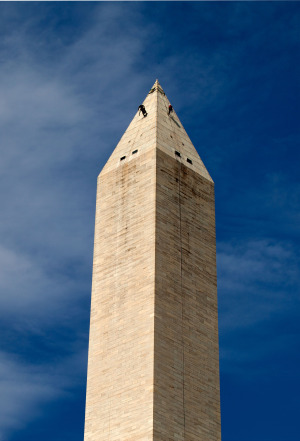
 When's the last time you looked out over Washington, D.C., from the top of the Washington Monument? Try it again this spring, when this iconic landmark reopens, with earthquake repairs and new exhibits planned by a team including yours truly.  READ MORE

Nature's Navigators 

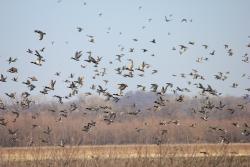
Every time I work on interpretive panels for another National Wildlife Refuge, I am astonished – again! – by the incredible journeys made by millions of birds every year. Read more... 

Traveling El Camino Real

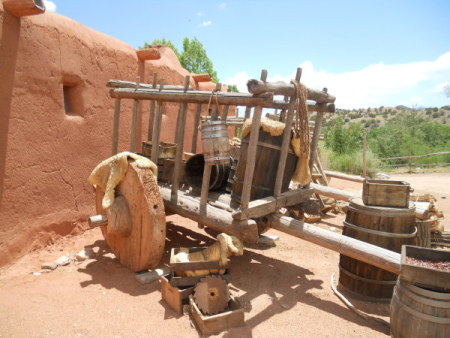
Thanks to funding from the FHWA National Scenic Byways program, we have a great assignment this fall: creating interpretive signs for a section of El Camino Real de Tierra Adentro National Historic Trail in Santa Fe, NM.  Read More... 


Atlanta: City in a Forest

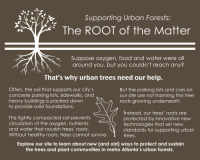
How does a fast-growing city keep its trees? Just ask Trees Atlanta – a non-profit dedicated to protecting existing trees and planting new ones throughout metro ATL. 

GIG just finished TA's new signage! Read more...


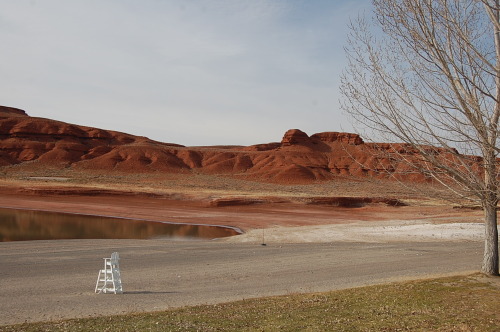
Swimming, Anyone?

A lone lifeguard chair remains at Horseshoe Bend Beach in Montana's Bighorn Canyon National Recreation Area. 

I'm spending most of a Georgia January daydreaming of faraway places-- Read More


Friday
Apr272012

The National Prisoners of War Museum, Andersonville National Historic Site, GA  

Prisoner of War! [gallery intro panel]

For those who are captured, the answer to "Who is a POW?" quickly becomes all too real.  But "Who or what is a POW?" is a more complex question than it first appears.

Why POW Definitions Matter [panel text]

In theory, captives who are legally defined as POWs will be treated humanely according to international standards and will be released when the conflict is over. 
    But POW definitions are often subject to interpretation by the enemy.  Should rebel fighters in a civil war be treated as traitors, POWs, civilian guerillas, or terrorists?   Should a downed pilot disguised in civilian clothing be held as a POW, or shot on the spot as a spy?   
    Who is to say?  The argument is as old as humanity, and as new as this morning's headlines.

Capturing "Johnny Reb" [interactive flipbook question]


In the U.S. Civil War, "Johnny Reb" or "Rebels" were nicknames for Confederate soldiers, because they rebelled against the U.S. government. 
   Some people thought Union troops should treat captured Confederates as insurgents, rebels, or traitors – crimes punishable by death. 
    Were captured Confederate soldiers legally entitled to humane treatment as POWs?